
When planning to build a deck, the costs can vary significantly depending on several factors. At San Antonio Deck and Fence | Atlas, we know that the type of deck you choose plays a major role in determining the overall price. For instance, a wooden deck made from pressure-treated pine is a more economical option but requires ongoing maintenance, while composite materials offer a low-maintenance alternative at a higher price point. On average, how much does it cost to build a deck? The total can range from $15 to $35 per square foot for labor, with permit fees typically between $100 and $500. Additional features like integrated lighting, railings, and built-in seating can further increase the cost. Understanding these elements will help you create a well-informed project plan that fits your budget.
Key Takeaways
- Material costs vary, and wood options like pressure-treated pine, cedar, redwood, and composite materials affect initial and long-term expenses.
- Professional contractor rates range from $15 to $35 per hour, depending on experience and project complexity.
- Larger or multi-level deck designs increase material and labor costs but can enhance functionality and aesthetics.
- Permits and adherence to local building codes are essential, with fees typically ranging from $100 to $500.
- Additional features like lighting, railings, and built-in seating add to the cost but improve the deck’s usability and appeal.
Material Costs
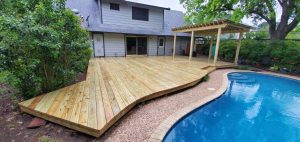 When planning to build a deck, the first thing you’ll need to nail down is the deck material costs. This step is essential because your chosen materials greatly impact the budget and long-term maintenance requirements.
You’ll have to decide between various wood types and composite materials, each with pros and cons.
Consider wood types like pressure-treated pine, cedar, or redwood for a traditional look. Pressure-treated pine is the most economical but requires regular maintenance to prevent rot and decay. Cedar and redwood are more expensive but offer natural resistance to insects and rot, reducing maintenance efforts.
Conversely, composite materials are gaining popularity for their durability and low maintenance. Made from a blend of wood fibers and plastic, they don’t splinter or warp and are resistant to insects and moisture.
While the upfront cost for composite materials is higher than wood, the long-term savings on maintenance can be considerable.
Labor Expenses
Labor expenses can considerably impact the overall deck cost of building your deck. Understanding labor rates in your area is essential for budgeting accurately. Typically, professional contractors charge between $15 and $35 per hour, depending on experience and local demand. These rates fluctuate, so getting multiple quotes guarantees you’re not overpaying.
When estimating labor expenses, consider the project timeline. A straightforward deck might take a few days, while a more intricate design could take weeks. Shorter timelines often equate to lower costs but don’t compromise quality for speed.
Discuss with your contractor the expected duration and any potential delays, such as weather or material availability that might affect the timeline.
Choosing a contractor who communicates clearly and works efficiently can foster a sense of belonging, as you’ll feel more involved and confident in the process. Confirm that the labor cost estimate includes preparation work, deck installation, and finishing touches.
Design and Size
Design and size are pivotal elements that dictate not only the aesthetic appeal but also the cost of your deck. When considering deck styles, you’ll need to consider how the design complements your home’s architecture and tastes. Modern, traditional, or rustic styles bring unique visual elements that can elevate your home’s look or clash with it.
Size considerations are equally essential. A larger deck provides more space for entertaining but comes with increased material and labor costs. On the other hand, a smaller deck can be more cost-effective but may limit your outdoor activities. Measure the area where you plan to build and think about how you’ll use the space. Will you need room for furniture, a grill, or even a hot tub?
Additionally, if your yard slopes, consider multi-level designs. While multi-level decks can add complexity and cost, they offer a versatile and functional outdoor living space.
Permits and Regulations
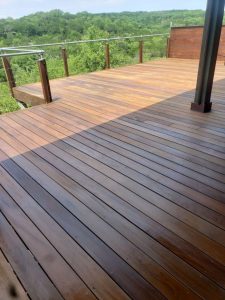
Steering through permits and regulations is important in building your deck, guaranteeing it meets local codes and safety standards. First, you’ll need to familiarize yourself with your area’s zoning requirements. These regulations dictate the size, height, and placement of your deck. Zoning requirements are designed to maintain neighborhood aesthetics and safety, so adhering to them is vital.
Next, explore the local building codes. These codes provide detailed construction practices, materials, and structural integrity guidelines. Compliance with building codes assures safety and prevents costly fines or the need for future modifications.
You’ll typically need to submit a detailed deck plan to your local building department, including dimensions, materials, and structural support details.
Securing a permit involves a fee, which varies by location but generally ranges from $100 to $500. While this might seem like an extra hassle, it’s a necessary investment for peace of mind and legal compliance. Ignoring these steps can lead to significant delays and additional costs.
Taking the time to navigate these permits and regulations guarantees that your deck project will proceed smoothly and fosters a sense of community pride and responsibility.
Additional Features
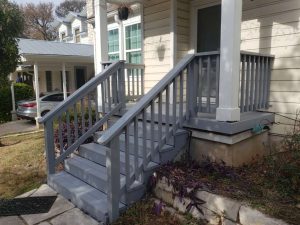 With permits and regulations in check, it’s time to contemplate the additional features that can elevate your deck from functional to fantastic.
First, consider your lighting options. Integrated LED lights can create a warm ambiance and improve safety for evening gatherings. Solar-powered lights are also a sustainable choice.
Next, examine deck railing styles. Choose from classic wood, sleek metal, or glass panels, each offering its aesthetic and level of maintenance.
Built-in seating can enhance both style and utility. Benches with storage capabilities offer a practical solution, providing extra space for outdoor accessories while keeping your deck clutter-free.
Privacy screens are essential if you desire a more secluded space. They can be customized to suit your style and come in various materials, such as wood, metal, or lush greenery.
Remember maintenance tips. Opt for durable and easy-to-clean materials, like composite decking, to guarantee your deck remains inviting with minimal upkeep.
Lastly, consider outdoor accessories such as planters, rugs, and weather-resistant cushions to add personality and comfort.